
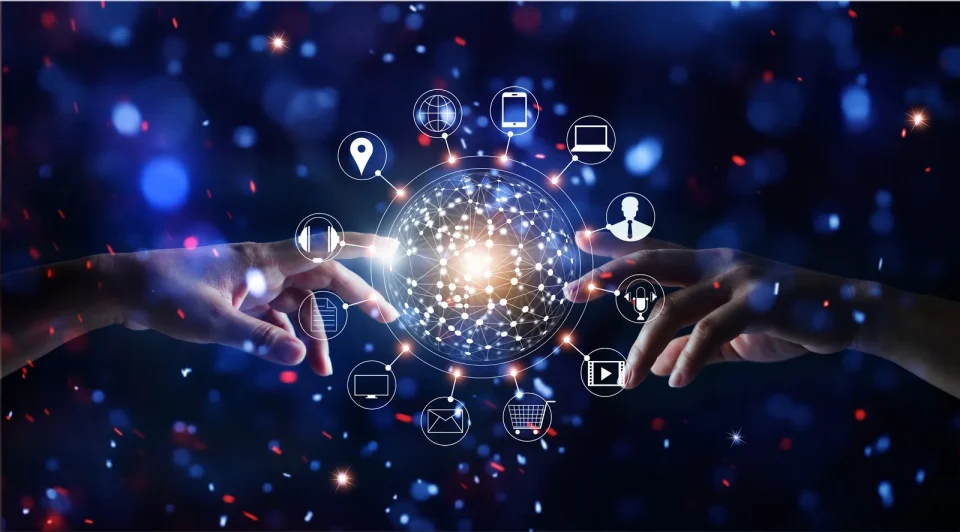
In the modern digital landscape, the path to a purchase is rarely a straight line. A customer might discover a product via an advertisement on a social media platform, research the item on a mobile application during a commute, visit a physical store to see the quality firsthand, and eventually complete the transaction on a desktop computer. For businesses, this journey represents both a massive opportunity and a significant challenge. Omni-channel marketing is the strategic response to this reality. It is the practice of creating a unified, seamless experience for the customer across all platforms, ensuring that the brand message, service, and accessibility are consistent regardless of where or how the user chooses to interact.
Understanding the Difference Between Multi-Channel and Omni-Channel
It is common to confuse multi-channel marketing with omni-channel marketing, yet the distinction is fundamental to the success of a modern business strategy. Multi-channel marketing refers to the presence of a brand on several platforms—social media, email, brick-and-mortar, and a website. However, in a multi-channel setup, these platforms often operate in silos. The website may have different pricing than the physical store, or the email support team may have no record of an interaction that occurred on a social media channel.
Omni-channel marketing removes these barriers. It integrates the back-end systems and front-end touchpoints to ensure that the customer is recognized as the same person across every channel. When a company adopts an omni-channel strategy, they stop viewing the physical store and the digital storefront as separate entities. Instead, they treat the entire ecosystem as one fluid interaction, where the customer can move between channels without any loss of context.
The Pillars of a Successful Omni-Channel Strategy
To move from fragmented operations to a cohesive omni-channel model, businesses must focus on several core pillars. Without these foundations, the attempt to connect channels will likely result in technical debt and a disjointed user experience.
Unified Data Architecture
The heart of an omni-channel strategy is the customer profile. If your marketing software does not communicate with your point-of-sale system, you cannot achieve a seamless experience. A centralized data platform allows businesses to track a customer’s journey across every touchpoint. This data-driven approach enables personalization; if a customer views a product online but does not purchase, the system can later trigger a personalized discount that is redeemable in-store or online.
Content Consistency and Brand Voice
Omni-channel marketing requires that the brand’s voice and visual identity remain consistent across every medium. Whether a customer is reading a support ticket response, browsing a mobile app, or walking into a retail location, the brand must feel identical. This consistency builds deep levels of trust, which is the currency of the modern digital economy.
Interconnected Logistics and Inventory
Perhaps the most tangible aspect of the omni-channel experience is the ability for a customer to buy online and pick up in-store, or to return an online purchase at a physical location. This requires an inventory system that provides real-time visibility across all locations. If the website says an item is in stock but the store clerk cannot find it, the omni-channel promise is broken. Operational excellence in the warehouse and on the floor is the prerequisite for a functional omni-channel front end.
The Role of Personalization in Omni-Channel Journeys
Modern consumers expect brands to know their preferences. Omni-channel marketing provides the perfect vehicle for this. When a company aggregates interaction data, they can tailor communications based on the user’s history. For example, if a customer has previously purchased a specific brand of athletic shoes, the company should not send them ads for formal wear. Instead, the marketing communications should highlight accessories or upgrades that complement the original purchase.
This level of personalization requires sophisticated use of automation. By using behavior-based triggers, companies can reach out to customers at the exact moment they are likely to need a follow-up or a recommendation. However, this must be handled with care; the goal is to be helpful and relevant rather than intrusive. The fine line between personalized service and invasive marketing is maintained by respecting consumer privacy and using data only to enhance the user experience.
Navigating the Challenges of Implementation
Transitioning to an omni-channel model is not merely a marketing project; it is a structural transformation. Many organizations find that their internal culture is the greatest barrier to success. When teams work in silos—with the digital marketing department reporting to different metrics than the retail operations team—the customer experience will inevitably suffer.
Breaking Down Organizational Silos
To succeed, leadership must realign incentive structures. If the retail store is penalized for online returns, employees will naturally discourage the behavior. Instead, retailers should implement a system where store employees receive credit for online orders placed in their store or for items returned, encouraging them to view the website as an asset rather than a competitor.
Investing in the Right Technology Stack
Do not attempt to bolt omni-channel capabilities onto outdated legacy systems. Often, the best path is to invest in integrated platforms that are built for the cloud and designed for interoperability. While the upfront investment is significant, the long-term efficiency gains and improved customer retention rates typically far outweigh the costs.
Focusing on Employee Training
Technology is only as good as the people using it. Retail store associates need training on how to use tablets to look up a customer’s online purchase history or how to fulfill a web order for local pickup. They must understand that their role has shifted from just selling inventory to being a representative of the entire brand ecosystem.
Measuring Success Beyond the Click
Standard metrics like click-through rates or cost-per-acquisition are insufficient for measuring an omni-channel strategy. Businesses must look at deeper, longitudinal metrics that account for the entire customer lifecycle.
-
Customer Lifetime Value (CLV): Does an omni-channel customer spend more over time than a single-channel customer? Most data suggests they do, often significantly more.
-
Omni-Channel Attribution: It is difficult to track exactly which touchpoint led to a sale when a customer interacts with a brand five different times across three different platforms. Attribution modeling must be sophisticated enough to value the early discovery phases as much as the final conversion.
-
Net Promoter Score (NPS) across Channels: Ask customers about their experience with the brand as a whole, rather than just the website or the store. This reveals how well the different channels are working together in the eyes of the consumer.
The Future of Connected Commerce
The future of omni-channel marketing lies in the convergence of physical and digital realities. With the rise of augmented reality, geolocation services, and smart retail technology, the barrier between the digital experience and the physical store will continue to thin. Customers will expect to see personalized recommendations on their phones while walking through a physical aisle. They will expect seamless integration of their digital loyalty points with their in-store purchases.
Companies that treat these as separate worlds will eventually fall behind. The businesses that thrive will be those that view every interaction—whether digital or physical—as part of a single, unified story. By focusing on the customer’s needs and removing the friction of the buying process, brands can create a loyal following that transcends the limitations of any single platform.
FAQ
How can a small business start an omni-channel strategy without a massive budget?
Start by focusing on just two channels that your customers use most frequently, such as your website and your social media presence. Ensure they are connected by a unified customer data system. You do not need to be everywhere at once; you just need to be consistent where you are.
Does omni-channel marketing always require a physical store presence?
No. An omni-channel strategy can exist entirely in the digital space, connecting mobile apps, websites, social media shops, and email marketing. The key is that the brand experience, customer profile, and communication remain consistent and unified across all those digital channels.
What is the biggest mistake brands make when going omni-channel?
The biggest mistake is focusing on the technology rather than the customer. Buying expensive software will not solve a bad strategy. Always start by mapping the actual customer journey, identifying where the gaps are, and then choosing the technology that fills those specific holes.
How do I maintain data privacy while tracking customers across channels?
Transparency is the most important element. Clearly inform your customers about what data you collect and how it is used to improve their experience. Use opt-in methods, and ensure that your data practices comply with relevant regulations, which builds trust rather than suspicion.
Can omni-channel strategies work for B2B companies?
Absolutely. B2B buyers now expect the same seamless digital experience they get in their personal lives. For B2B, this often means integrating online portals, sales representative interactions, and digital support channels into a single, cohesive account management dashboard.
How do I handle inventory discrepancies between online and offline?
The only way to resolve this is through real-time inventory synchronization. Invest in an Enterprise Resource Planning (ERP) or an Inventory Management System (IMS) that pushes stock updates across all channels instantly. If a item is sold in-store, it must immediately be reflected on the website.
What role does artificial intelligence play in omni-channel marketing?
AI is the engine of personalization at scale. It can analyze the vast amounts of data collected across all channels to predict what a customer will want next, automate customer service responses that carry the correct tone, and optimize marketing spend in real-time.