
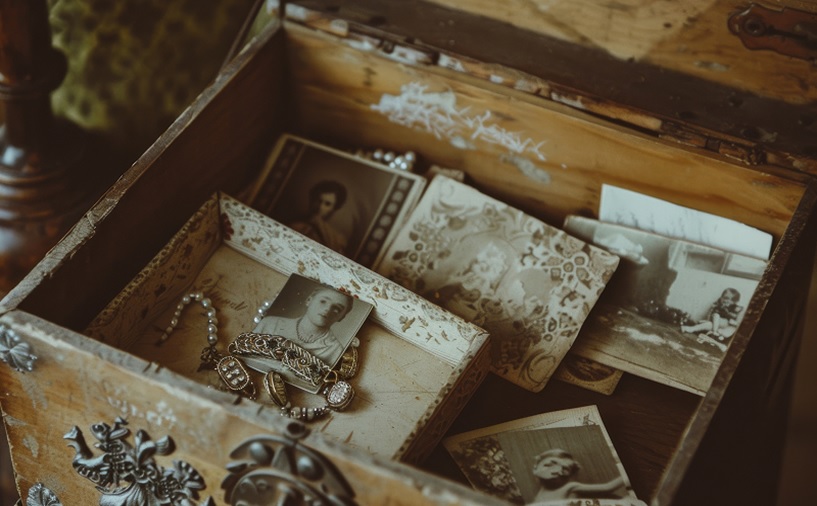
Keep the Memories Without Losing Your Living Space
- Sentimental belongings can hold important personal and family memories, so there is no need to discard them before you feel ready.
- Sorting keepsakes by significance and condition helps you decide which items deserve a place at home and which can be stored elsewhere.
- Suitable packing materials, clear labels and a simple inventory can help protect and organise meaningful possessions.
- External storage can provide additional room for treasured belongings while allowing you to maintain a comfortable, functional home.
Why Is It Difficult to Part With Sentimental Belongings?
Some possessions mean far more than their practical value suggests. An old birthday card might remind you of someone who supported you during a difficult period. A childhood toy may bring back memories of family life, while a piece of inherited furniture can represent generations of shared history.
These objects can become especially meaningful during major life changes. Moving house, losing a loved one, downsizing or reorganising a family home may bring forgotten memories to the surface. Even when you recognise that you no longer have room for everything, deciding what to keep can feel emotionally complicated.
It is important to recognise that decluttering does not require you to discard meaningful possessions simply because they are old or rarely used. Some items deserve to be kept for the memories they represent, even if they no longer serve a practical purpose.
At the same time, keeping every sentimental object within your immediate living space can create difficulties. Cupboards may become crowded, spare rooms may fill with boxes, and meaningful belongings may become harder to find among everyday clutter.
A more balanced approach is to separate the value of a memory from the amount of space its physical object occupies. You can preserve what matters while deciding where each item belongs. This allows you to respect your emotional connection without letting possessions dictate how you use your home.
Which Sentimental Items Should You Keep or Store?
Before making decisions, gather similar belongings together. Seeing photographs, letters, souvenirs and family keepsakes in one place can help you understand what you have and identify items that deserve special attention.
Photographs and handwritten letters
Old photographs, postcards and letters often preserve details that digital records cannot fully capture. Keep them in suitable archival-quality sleeves or boxes, and avoid exposing them to direct sunlight, excessive humidity or large temperature fluctuations. If appropriate, create digital copies as an additional way to preserve their contents.
Family heirlooms and inherited objects
Jewellery, ornaments, traditional clothing and small pieces of furniture may carry family history. Consider the item’s condition, material and sentimental significance before deciding how to store it. Fragile or valuable objects may require specialised packing or professional advice.
Childhood possessions and personal milestones
School notebooks, certificates, artwork, toys and souvenirs can represent important stages of life. Rather than keeping everything, select pieces that best capture those experiences. You can also photograph bulky items that are meaningful but impractical to retain.
Gifts from loved ones
A gift may remain important even if you no longer use it. If it is too large to display or keep at home, storing it carefully can be a reasonable alternative to giving it away before you feel ready.
Travel mementoes and collections
Ticket stubs, maps, postcards and objects collected during trips can bring back vivid memories. Group them by destination or period and label each container so you can revisit a particular chapter of your life without searching through multiple boxes.
When deciding what to retain, ask yourself a few questions:
- Does this item represent a person, relationship or experience that matters to me?
- Would I regret losing it, even if I rarely look at it?
- Is the item in good enough condition to preserve?
- Could a photograph or digital copy retain some of its meaning?
- Do I want it close at hand, or would it be equally meaningful in secure storage?
There is no need to make every decision immediately. If you feel uncertain, set aside the item and revisit it later. Giving yourself time can make the process more manageable.
How Can You Protect Meaningful Belongings During Storage?
Sentimental possessions may be irreplaceable, so careful preparation matters. A box of photographs damaged by moisture or a family keepsake broken during a move can represent a loss that money cannot easily remedy.
Begin by cleaning and drying items where appropriate before packing them. Do not store damp clothing, textiles or objects in sealed containers, as trapped moisture can encourage mould. Delicate materials may need specific care, so research their requirements before packing them for long periods.
Choose containers according to the belongings you are protecting. Sturdy boxes can work for many household keepsakes, while archival-quality materials are preferable for delicate paper items. Wrap fragile objects individually using suitable protective materials, and avoid placing heavy possessions on top of items that could bend or break.
Labelling also makes a difference. Use clear descriptions such as “family photographs”, “school memories” or “travel souvenirs” rather than relying on vague labels. You can number each box and maintain a separate inventory with details of its contents and location.
Consider these practical steps before putting sentimental belongings into storage:
- Group items by type: Keep photographs, textiles, documents and fragile objects organised separately.
- Record their condition: Photograph valuable or delicate items before packing them.
- Choose suitable packaging: Use materials appropriate to each item’s composition and preservation needs.
- Keep an inventory: Record box numbers, contents and any special handling requirements.
- Plan occasional checks: Inspect stored possessions when practical, particularly if they require specific environmental conditions.
Storage conditions matter just as much as packaging. Paper, photographs, wood, leather and textiles can deteriorate when exposed to unsuitable temperature or humidity levels. If an item is particularly valuable or delicate, seek professional preservation advice and confirm that the storage environment is appropriate before placing it there.
When Does External Storage Make Sense for Keepsakes?
Sometimes, sentimental belongings take up more room than your home can comfortably provide. You may be combining households, preparing a property for renovation or making space for a growing family. You might also have inherited possessions that require time and careful consideration before you decide what to do with them.
In these situations, self-storage in Singapore can provide a separate place for belongings you want to preserve without keeping every box in a bedroom, cupboard or living area. This can be particularly useful when you need time to sort through possessions at your own pace.
Before choosing a facility, consider the type and quantity of items you intend to store. Check security arrangements, cleanliness, access hours and measures for managing moisture and temperature. Ask about any restrictions on particular materials, and confirm that the facility can accommodate your preservation needs.
It is also worth comparing costs against the amount of space required. Store only the items that genuinely benefit from being kept elsewhere, and arrange them so that frequently accessed boxes are easy to retrieve. Review your inventory occasionally to make sure you know what you have and where it is located.
Work+Store offers storage solutions for individuals and businesses that need additional space. You can visit its official website to explore available options and determine whether they suit your needs.
Remember that external storage is a way to create room, not a substitute for caring for your belongings. Regular checks, appropriate packing and a clear inventory help ensure that your memories remain accessible and protected.
Give Your Memories Room to Remain Meaningful
Sentimental belongings deserve thoughtful decisions, not rushed choices made simply to clear a crowded room. An old photograph, a handwritten note or a family heirloom can preserve memories that remain important long after its everyday usefulness has passed.
Start by identifying the items you value most, organising them carefully and choosing suitable conditions for their preservation. Keep your favourite pieces close by, and consider storage for possessions you want to retain but do not need to access every day.
If you need additional space while deciding how best to care for meaningful belongings, contact Work+Store to explore storage options that can help you preserve your keepsakes while making your home more comfortable.